Verification in Depth
CAN/ULC S537:2019
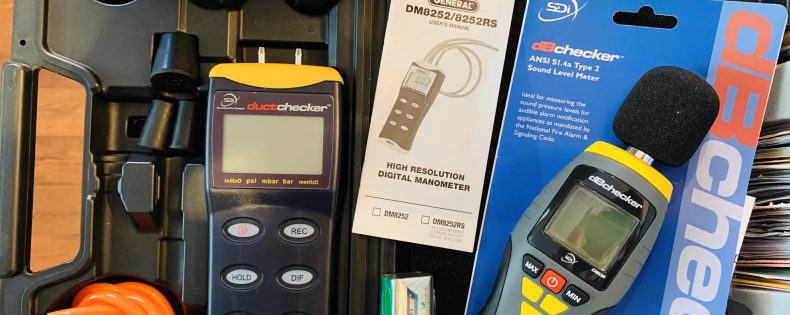
Built around the Six Phases of System Verification framework, you’ll move from foundational paperwork outward to the physical environment — learning to assess systems the way the standard intends.
What you’ll gain:
- A phase-by-phase breakdown of CAN/ULC-S537:2019
- Critical testing concepts you need to know
- Hands-on guidance with the standardized ULC reporting template
- How to spot and avoid common reporting pitfalls
Walk into your next verification inspection with confidence.
Training Overview
Pre-Verification
1.The Regulatory Foundation & Pre-Verification
- Module 1: The Hierarchy of Fire Alarm Compliance
- Module 2: Phase 1 – The Foundation
2. Testing the Infrastructure
- Module 3: Phase 2 – The Infrastructure
3. The Command Center & System Power
- Module 4: Phase 3 – The Command Center
- Module 5: Phase 4 – The Lifeblood
4. External Interfaces & The Frontlines
- Module 6: Phase 5 – The Interface
- Module 7: Phase 6 – The Frontlines
5. Advanced Logic & Standardized Reporting
- Module 8: The Resound Sequence
- Module 9: The ULC Template Walk-Through
6. Accountability & Common Pitfalls
- Module 10: Tracking Deficiencies & Reporting Errors
Course Wrap-Up & Final Review
- Summary of the Six Phases of System Verification.
- Q&A
Final Exam
Students will complete a comprehensive 50-question multiple-choice final examination designed to assess their understanding of the CAN/ULC-S537:2019 Verification Standard and the Six Phases of System Verification presented throughout the course.
The examination will evaluate the student’s ability to:
- Interpret key requirements contained within CAN/ULC-S537:2019.
- Differentiate between installation, verification, and inspection activities.
- Apply fault tolerance testing principles to fire alarm systems.
- Verify control unit, network, power supply, and field device performance requirements.
- Interpret reporting requirements and mandatory verification documentation.
- Identify common verification and reporting deficiencies.
- Apply practical field-testing methodologies to real-world verification scenarios.
A minimum passing grade of 70% is required to successfully complete the course and receive a Certificate of Completion.
- Welcome, Introductions & Course Objectives
- Regulatory Foundation & Pre-Verification (Modules 1 & 2)
- Testing the Infrastructure (Module 3)
- Command Center & System Power (Modules 4 & 5)
- External Interfaces & The Frontlines (Modules 6 & 7)
- Advanced Logic, Reporting & Common Pitfalls (Modules 8, 9 & 10)
- Final Review & Exam Instructions
- Final Examination (50 Questions)
Recommended for for anyone with 2+ years as a Fire Alarm Technician who wants to understand verification standards.
To get the most out of this training, please review the CAN/ULC-S537 Fire Alarm Verification standard beforehand.